
Thematics

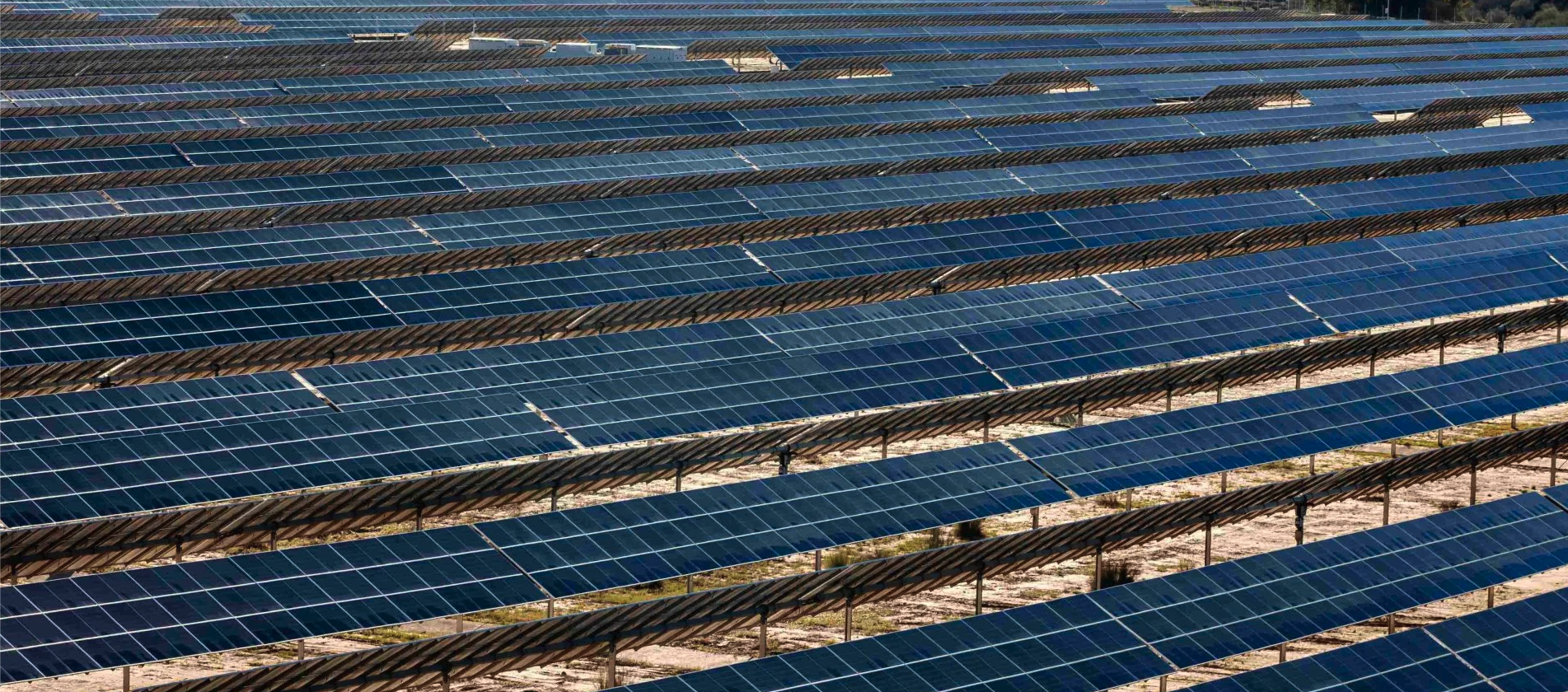
Renewable Tech Scaling & Cost Leadership
As scaled manufacturing of solar modules and lithium-ion batteries continue to drive down costs, the combination of solar+storage is now the lowest Levelized Cost of Energy (LCOE) on the market. Renewables are no longer just the greenest option; they are the most economically dominant form of generation, outcompeting new fossil-fuel assets.

Software, Smart Grids, & Power Electronics
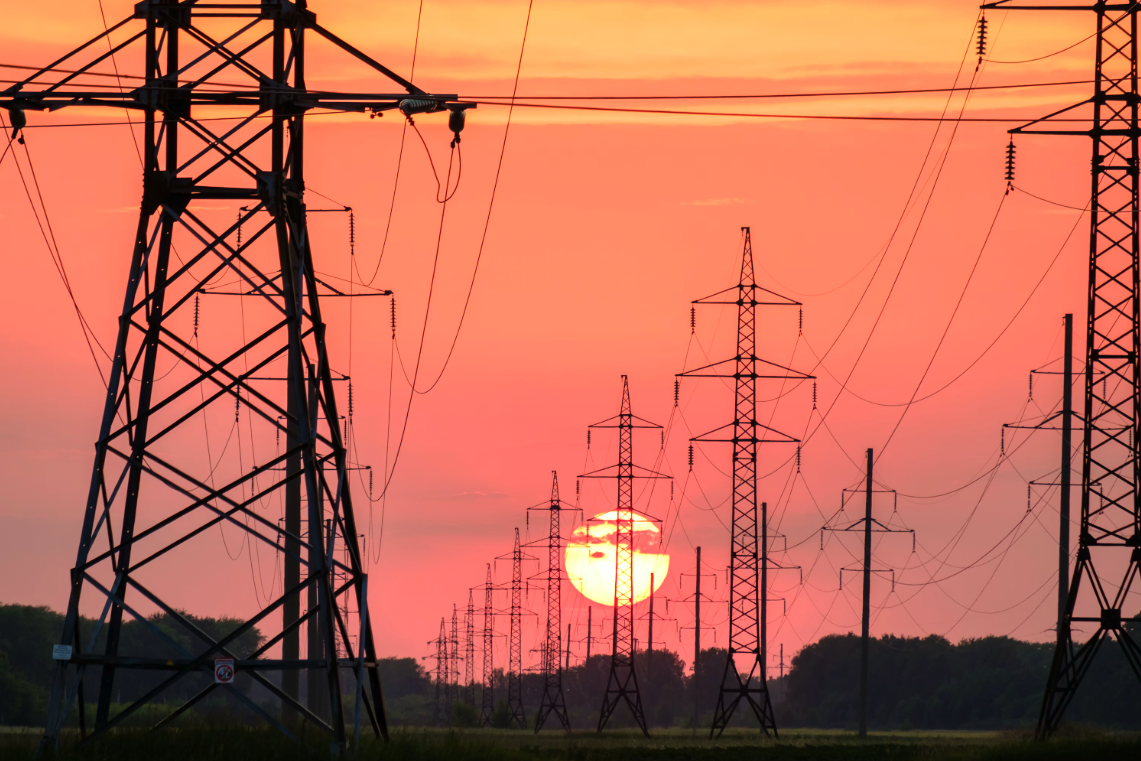
As dynamic generation from wind and solar dominates the grid, legacy infrastructure is upgrading to keep pace. The modern grid relies on artificial intelligence, edge-computing software, and advanced power electronics and semiconductors to balance variable supply with shifting demand in real time. By aggregating virtual power plants (VPPs), digital twin systems and smart infrastructure, utilities can seamlessly optimize a highly fragmented energy mix.

The AI Demand Explosion
The explosive growth of generative AI training and continuous inference workloads has triggered an unprecedented surge in global electricity demand. Hyperscale data centers require massive, constant, "always-on" power, turning "speed to power" into a primary opportunity for innovation. This insatiable hunger for gigawatts is driving tech giants to forge direct alliances with clean energy developers for dedicated nuclear, fuel cells, and solar+storage projects, as well as driving advanced AI chip cooling and other energy efficiency technologies.

Electrification, EV Proliferation, & Utility ESS
The systematic push to transition transport and light industry to the electrical grid is rapidly gaining incredible momentum. Electric vehicle (EV) adoption continues to reshape the auto industry and drive massive innovations in battery chemistry, while the deployment of utility-scale Energy Storage Systems (ESS) has become key to stabilizing the broader grid. This widespread shift is fundamentally expanding baseline electricity demand while optimizing existing capacity with a massive network of storage infrastructure.
Energy Sovereignty & Industrial Onshoring
Energy policy is now a cornerstone of national resilience and industrial strategy. The availability of cheap, localized renewable power is fundamentally altering global economics, making the reshoring of heavily power-intensive manufacturing commercially viable. Driven by both economic and national security goals, nations are aggressively scaling domestic clean energy supply chains to safeguard independence and power local grids with local resources.
Geopolitics, Critical Minerals, & Supply Chain
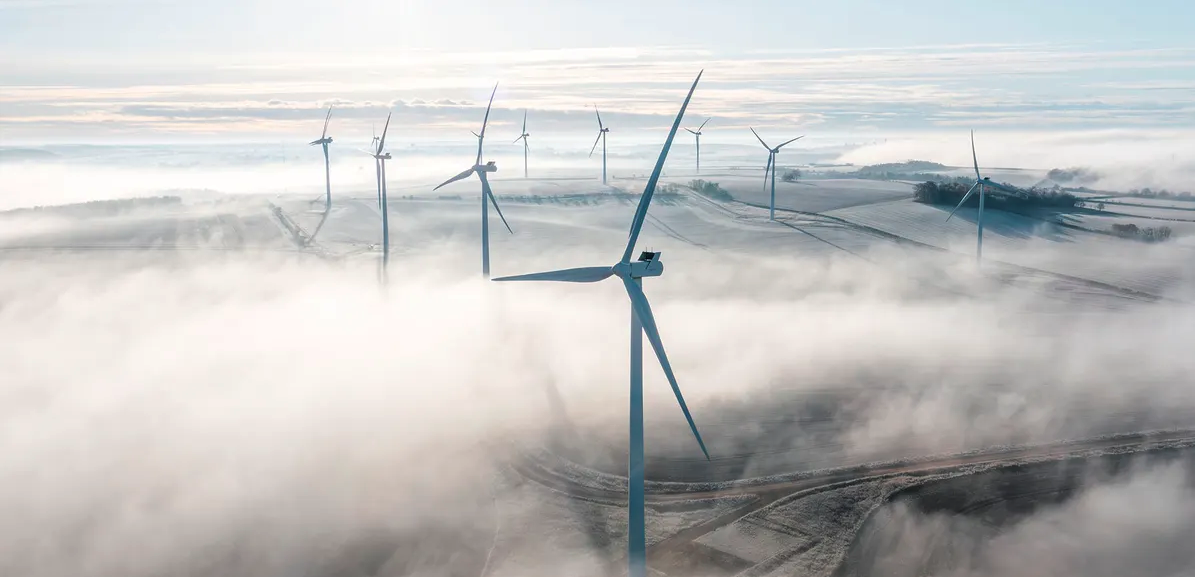
The clean energy transition is a shift from a fuel-intensive system to a material-intensive one, making upstream supply chain race to secure copper, lithium, and rare earths the new frontline of global competition. Geopolitical uncertainty is revealing the vulnerabilities of traditional supply chains, accelerating the move away from imported fossil fuels. Economies that have invested in renewable energy deployment are far more resilient to fuel supply disruptions, permanently reframing clean energy as the ultimate tool for national leadership and macroeconomic strength.